Reset & Choose
A simple drawing practice to help you reset, reconnect with yourself, and choose how you want to move forward.
This page was created as a follow-up reference after your HeartFlow workshop. Use the guided video or written steps whenever you would like a structured way to pause, notice what is happening, and choose how you want to respond.
When to Use This Practice
This structured drawing practice is designed to help you slow down, organize your thoughts, and create space for new perspectives.
It can be completed in just a few minutes and is especially helpful before:
- An important meeting
- A difficult conversation
- Making a decision
- Solving a complex problem
- Beginning a new project
- Navigating change or uncertainty
- Anytime you notice yourself overthinking or feeling mentally scattered
As you draw, allow yourself to breathe slowly and naturally. There is nothing to solve or force. The goal is simply to observe your experience with curiosity and create enough mental space for greater clarity to emerge.
What You'll Need
• One piece of paper
• A black pen or marker
• About 5-10 minutes without interruptions
The time depends on the size of your drawing and the number of lines and intersections.
No artistic experience is needed!
Step 1 • What Am I Trying to Decide?
Write down your question in mind. What exactly do you want to create the decision or answer to?
Choose something meaningful, but not the most difficult situation in your life.
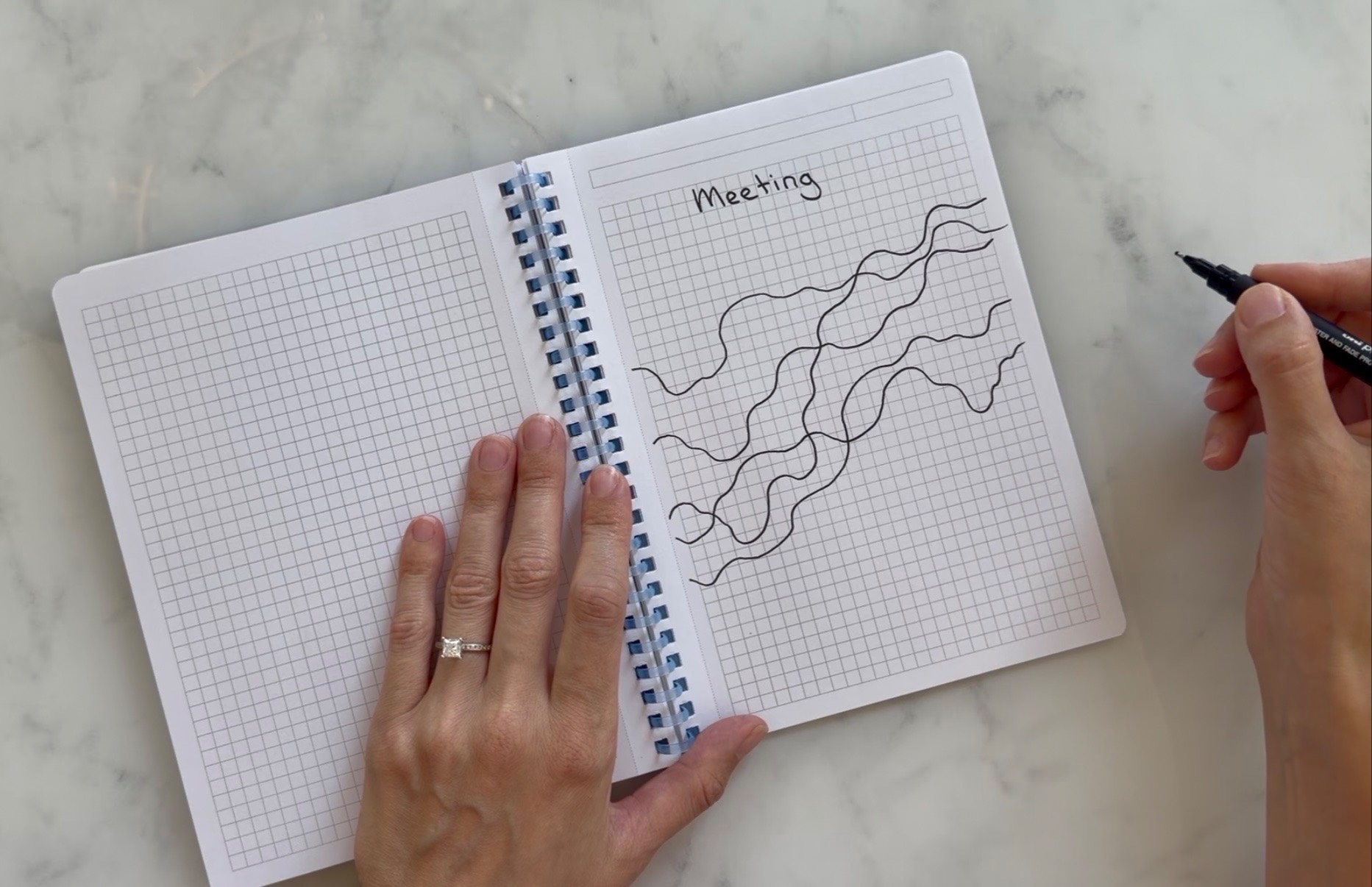
Bring your question or situation down to a single word and write it on top of your page.
Take one slow breath and allow your attention to settle on the situation.
Step 2 • 20 Words in 2 Minutes
Write down your question in mind. What exactly do you want to create the decision to?
Choose something meaningful, but not the most difficult situation in your life.
Bring your question or situation down to a single word and write it on top of your page.
Take one slow breath and allow your attention to settle on the situation.
Step 2 • Draw 3 to 5 NeuroLines
Draw three to five NeuroLines across your page. If you only have a few minutes, three can be enough. But whenever time allows, go for five.
Remember:
A NeuroLine never repeats itself, and we take it where we don't expect it to go.
As you draw, ask yourself:
- What story am I telling myself about this situation?
- What am I expecting from myself, from others, or from the outcome?
There is no need to answer everything in words. Simply notice what comes up.
Step 3 • Round & Breathe
Begin rounding the sharp intersections and angles where your lines meet. Your goal is to round all of the sharp angles on your drawing.
As you round, allow your breath to become a little slower and deeper.
Ask yourself:
- How do I truly feel about this situation?
- Where do I notice it in my body?
There is nothing to judge or change. Simply become a curious and compassionate observer of your experience.
Notice what, if anything, begins to shift as you continue rounding.
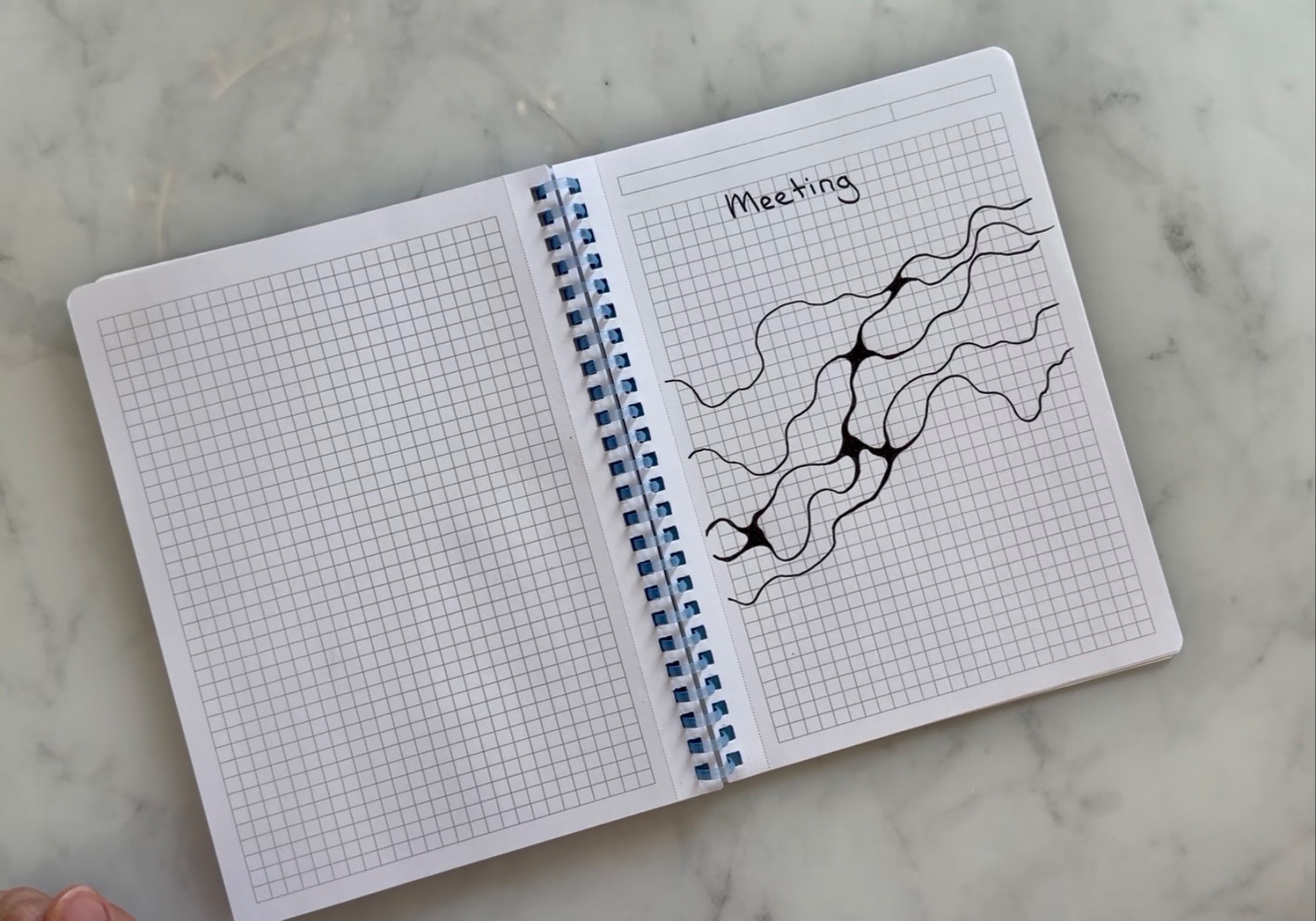
Step 4 • Create Your Circle of Choice
Notice where the greatest concentration of intersections has formed. Draw a circle around this area and round the new intersections. Let this circle represent your sphere of choice, what is yours to influence.
Ask yourself:
- Regardless of the outcome, how do I choose to show up in this situation?
Choose one quality or state, such as calm, clarity, patience, confidence, compassion, courage, or something completely different.
Allow yourself to be bold. Make the circle a little thicker as you connect with this quality. Imagine yourself fully embodying this state, almost like trying on a jacket.
- How would it feel to show up this way?
For a few moments, allow yourself to experience it as if you were already there as you're integrating this circle into your flow of lines.
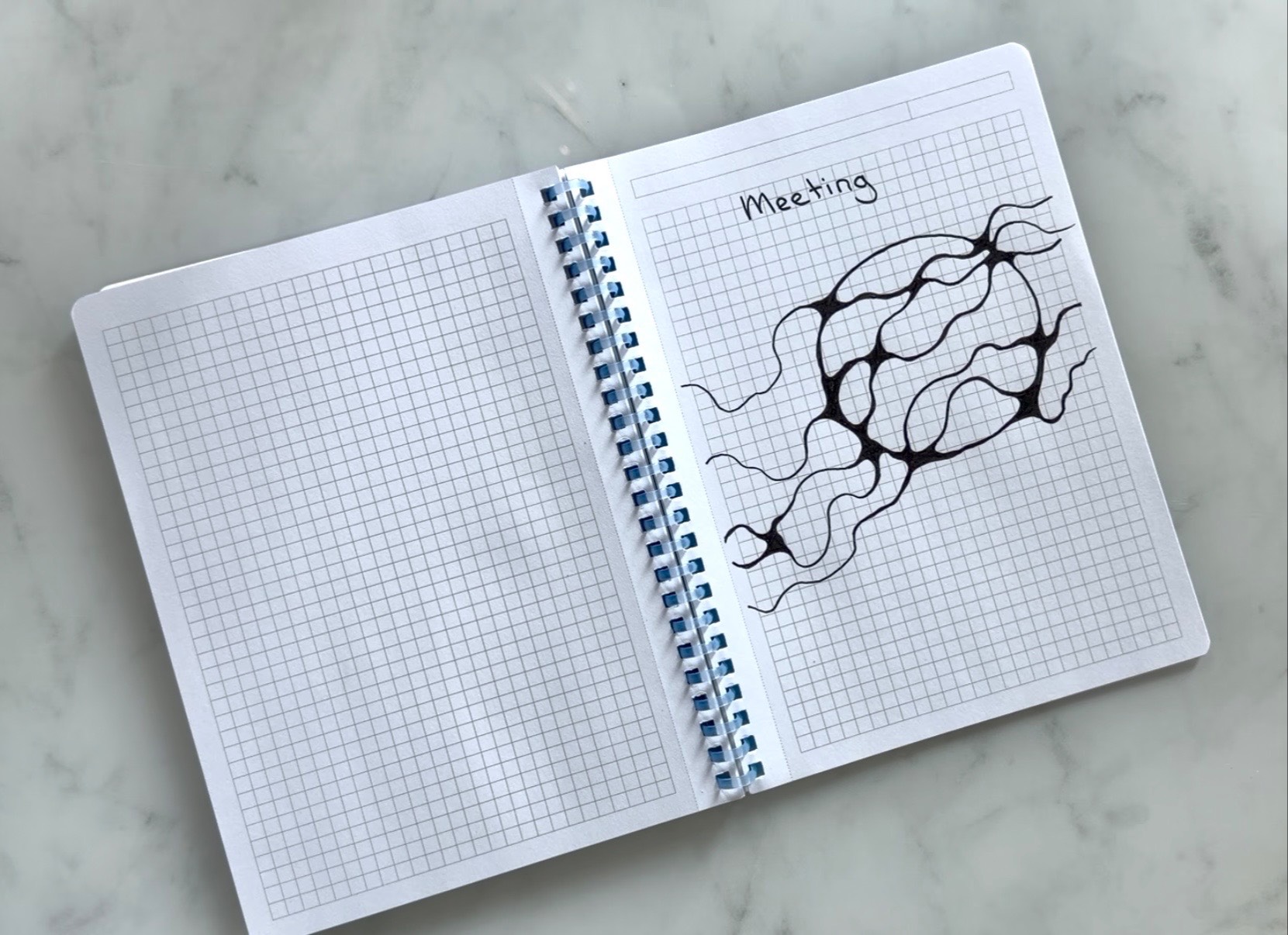
Step 5 • Choose One Small Action
Look at your Circle of Choice and ask yourself:
- What is one small action I can take today that supports how I want to show up in this situation?
Keep it simple, realistic, and within your control.
You can write your action beside your circle as a reminder to yourself.
Your Practice Going Forward
Whether the situation is happening today or a month from now, begin practicing your chosen quality now. Return to it throughout your day. Pause, remember your word, and imagine what it feels like to embody this state.
Each time you practice, you make this way of responding more familiar to your mind, body, and nervous system, so when the situation arrives, you have already practiced how you want to meet it.
You can also come back to this practice whenever you feel stuck, overwhelmed, uncertain, or reactive, when you are preparing for an important conversation or meeting, making a decision, navigating something outside your control, or simply looking for greater clarity about how to move forward.
Use it as a way to pause, notice, breathe, and choose how you want to meet what comes next.
Prefer to be guided?
This video will guide you through this complete structured drawing process that is listed above, step by step.
And a longer version of this practice
This video is the recording of drawing portion from our workshop on September 9 and will be available for you to practice until Friday, September 25th. Use this process when you have more time to prepare and contemplate about your upcoming situation.
About Mariya
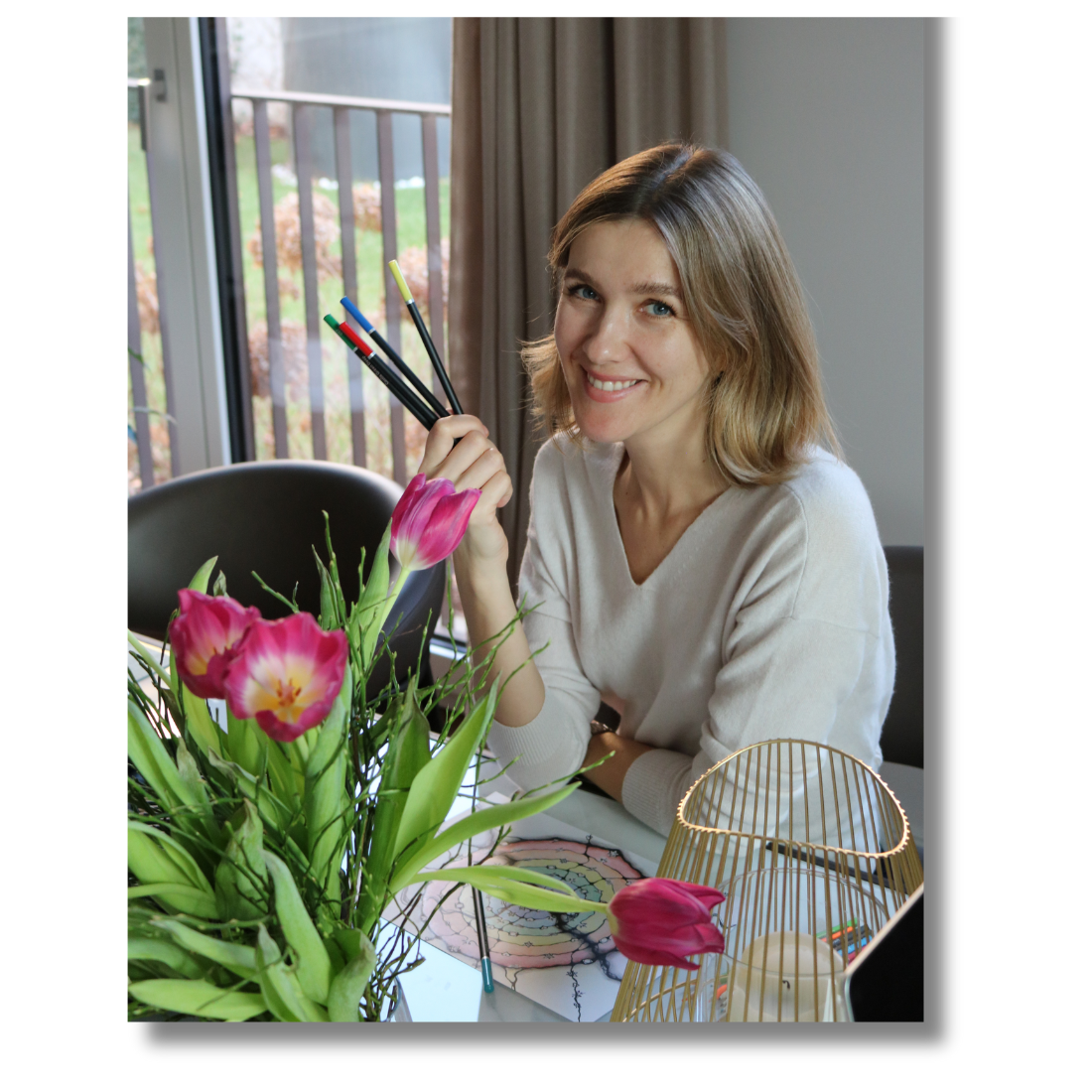
Mariya Navitsky is the founder of HeartFlow, a Certified NeuroGraphica Instructor, HeartMath Certified Resilience Trainer, and Certified XCHANGE Guide. With a background in engineering and years of experience exploring mind-body practices, she brings together structured thinking, mindful drawing, reflection, and heart-centered self-awareness.
Through HeartFlow, Mariya creates practical experiences that help people slow down, better understand what is happening within them, reconnect with what they can influence, and move through change with greater clarity, self-trust, and intention.
Still have questions?
Can I use it to prepare for something that hasn’t happened yet?
What if I don’t know what quality or state to choose?
Do I need to finish the whole drawing every time?
What if I don't notice an immediate shift?
Can this replace therapy or mental health support?
What if I become uncomfortable or emotional during the drawing?
What should I do with my drawing afterward?
Can I use this practice for the same situation more than once?
You can learn more about NeuroGraphica here
Learn moreAbout This Resource
This resource was created for the Rehabilitation Services Team and participants of the September 9, 2026 HeartFlow workshop. For broader organizational use or distribution, please contact HeartFlow.
© 2026 HeartFlow. All rights reserved.